
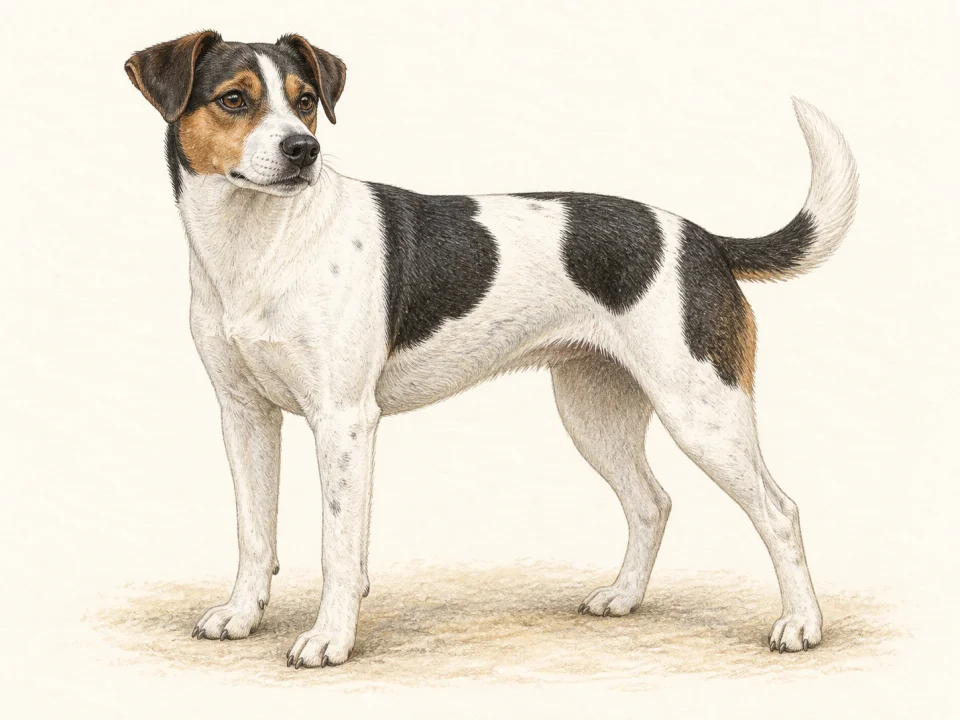
A small dog with a job is different from a small dog left to wait
The Nordic Kennel Union describes an active companion with a farm background that includes watching and ratting. Owning livestock is not a requirement, but a low-effort lapdog expectation misses the point. Before choosing a Farmdog, describe a real Tuesday: when you are available, which outing includes time to investigate, and what brief shared activity fits afterward. A simple search for an appropriate toy can be one option; it is a household idea, not a claim that every Farmdog enjoys the same game. Ask a breeder or rescue how their dogs spend ordinary days and what happens when plans change. Acreage alone is less informative than that conversation.[2]
Spend the time saved on coat care on learning together
AKC describes occasional brushing and bathing rather than an elaborate coat routine. That makes grooming comparatively straightforward, but it does not account for exercise and attention. If you are attracted by the short coat, separate the two questions: can you maintain the dog physically, and do you want to participate in activities with it? Try observing a suitable beginner dog-sport class before committing to equipment or a competitive goal. Ask what foundation skills can be introduced at the individual’s age and condition. A list of sports associated with the breed is a menu to explore, not proof that a puppy should already be jumping full-height obstacles or working at adult intensity.[1]
Review the yard and the welcome at the front door
The Nordic account notes agility and jumping ability, as well as possible wariness of strangers. Those observations suggest two practical checks before bringing a dog home. First, inspect outdoor boundaries for the actual individual rather than judging security from its small size; ask the current caregiver what containment has worked. Second, agree how visitors will enter without everyone crowding the dog at once. Provide a manageable observation space and allow introductions to proceed according to behavior. These arrangements do not label every Farmdog an escape artist or an unfriendly dog. They make room for the working traits behind the appealing compact appearance, instead of discovering them only after an avoidable problem.[2]
Frequently asked questions
Do I need to live on a farm to keep a Danish-Swedish Farmdog?
No. The Nordic Kennel Union describes its modern role mainly as an active companion. A suitable daily activity and interaction plan matters more than the name of the property.
Source [1]Does the short coat make this a low-effort pet overall?
It simplifies coat maintenance, but exercise and shared activity remain separate commitments. Decide whether you want the working companion as well as the convenient coat.
Source [2]Can I choose a fence just because the dog is small?
No. The Nordic description notes considerable agility and jumping ability. Assess containment for the individual and ask what arrangements have worked with that dog.
Source [1]FAQ sources
- Nordic Kennel Union — Danish-Swedish Farmdog ↗FAQ reference 1
- American Kennel Club — Danish-Swedish Farmdog ↗FAQ reference 2
Sources & methodology
Breed-level measurements and comparison scores provide context. They do not predict an individual dog's health, behaviour or suitability. Open the original publisher pages below to verify the facts and compare any later updates.
- American Kennel Club — Danish-Swedish Farmdog ↗Reference 1 · reviewed 2026-09-27
- Nordic Kennel Union — Danish-Swedish Farmdog ↗Reference 2 · reviewed 2026-09-27
Make it about your dog
Build a profile around your dog's age, experiences and everyday needs.
Meet your dog →Explore local care