
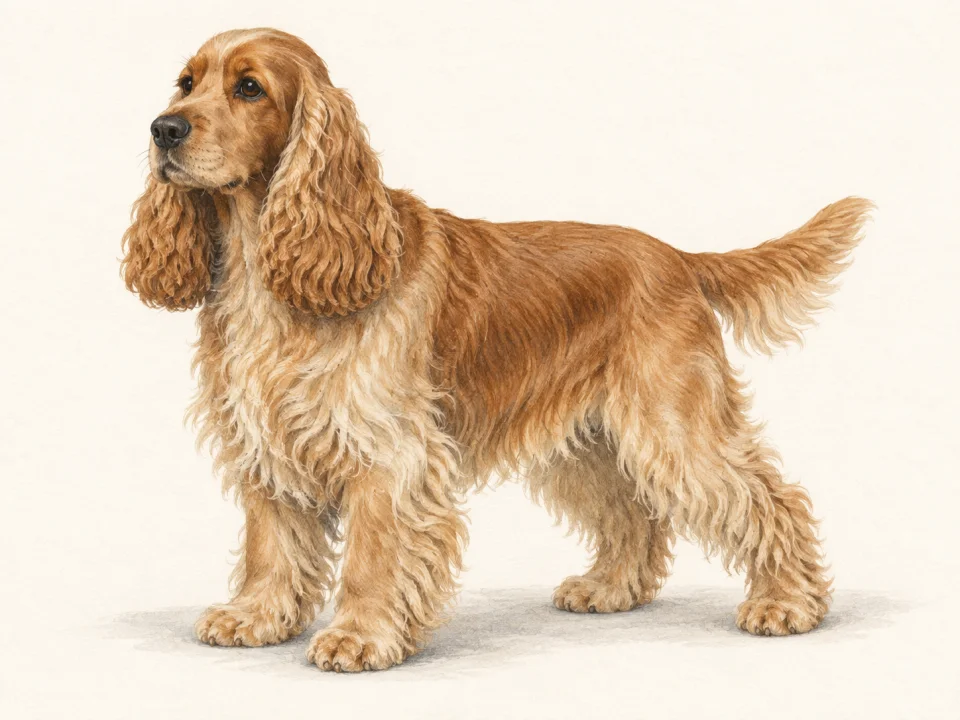
Consider the maintenance behind the soft expression
AKC references males at 25–30 pounds and females at 20–25 pounds. The manageable size can suit many households, but a full coat brings an ongoing grooming commitment. Before choosing a puppy or adult, ask for a demonstration of the routine and decide which tasks you will do yourself. Occasional professional appointments do not automatically replace care between visits.[1]
Check with a comb rather than trusting the surface
The cited grooming guidance emphasizes careful combing through the coat instead of only brushing over the top. Work gently and avoid pulling through a snag. Ask an experienced groomer to show how to find and manage tangles without hurting the dog, especially near delicate ear edges. A tidy outer appearance can conceal missed areas close to the skin.[1]
Make bathing and ear care a complete process
AKC stresses thorough rinsing and careful drying, alongside learning appropriate ear care from a veterinarian. Ask for a routine suited to the individual rather than improvising products or techniques. Inspect for uncomfortable or inflamed areas during regular care. If something is painful, seek assessment instead of assuming a longer grooming session will solve every skin or ear problem.[1]
Use walks and shared play as everyday activity
Suitable walks and controlled retrieves can help this sporting companion stay engaged and maintain condition. Choose games the particular dog enjoys and match effort to health and age. A playmate may add interest, but does not replace supervision or a dependable routine. Include opportunities for rest and observe how comfortably the dog moves after activity as well as during it.[1]
Reward learning without overfeeding
AKC describes food, play and praise as useful motivators and discourages harsh correction. Keep lessons achievable and reward promptly. Coordinate treats across caregivers so training does not quietly add excessive food to the day. Ask your veterinarian to assess body condition and nutritional needs rather than judging weight only from how much of the body is hidden beneath the coat.[1]
Clarify which records the breeder supplies
The cited recommended panel lists hip and ophthalmologist evaluations, while the broader health text also discusses patella records. Ask exactly what was assessed, obtain identifiable results and review uncertainties with your veterinarian. Do not present every test mentioned in prose as a completed or mandatory panel. The 10–14-year reference lifespan is background information, not a guarantee for the individual.[1]
Frequently asked questions
Can a quick surface brushing replace thorough combing?
No. The cited guidance emphasizes checking through the coat. Learn a gentle method from an experienced groomer and avoid pulling through tangles.
Source [1]Does a short pet haircut eliminate ear care?
No. Ear checks and suitable veterinary-guided care are separate responsibilities, whatever coat length you choose.
Source [1]What rewards suit Cocker training?
AKC identifies food, play and praise as useful options. Use gentle, clear lessons and account for edible rewards in the daily feeding plan.
Source [1]Are all health tests mentioned in the source the same as its recommended panel?
No. The displayed panel lists hip and eye evaluations, while the prose also mentions patella records. Ask what was actually performed and request the individual reports.
Source [1]FAQ sources
Sources & methodology
Breed-level measurements and comparison scores provide context. They do not predict an individual dog's health, behaviour or suitability. Open the original publisher pages below to verify the facts and compare any later updates.
- American Kennel Club — Cocker Spaniel breed and care guidance ↗Reference 1 · reviewed 2026-09-27
Make it about your dog
Build a profile around your dog's age, experiences and everyday needs.
Meet your dog →Explore local care