
Plan for speed rather than judging by weight
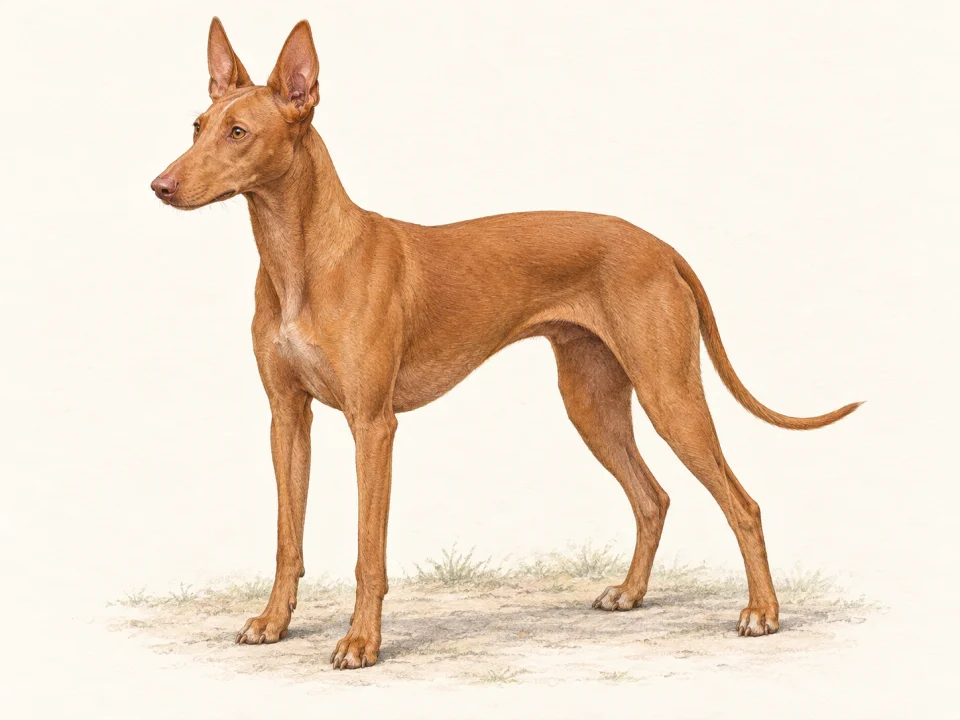
AKC references males at 20–28 pounds and females at 19–25 pounds. This relatively light frame belongs to an athletic hunter capable of quick acceleration. When choosing equipment and outdoor space, consider how you will manage a sudden distraction. A dog that rests gently indoors may still react very differently when it sees something moving beyond the gate.[1]
Keep free running inside secure boundaries
The cited exercise guidance advises against off-leash activity in unenclosed areas because of hunting instincts. Check gates and the perimeter before play and use a leash where containment is absent. Practice recall as a useful skill without treating it as a guarantee. A successful response to a familiar cue in a quiet yard does not establish control around every potential chase.[1]
Assess small-animal introductions carefully
AKC specifically calls for care when introducing cats and small animals. Ask what the individual has already experienced and supervise introductions rather than assuming a friendly disposition predicts compatibility. Provide secure separation when needed. Do not use a small pet as a test of training or expect it to manage the interaction; household arrangements must protect all of the animals involved.[1]
Offer companionship along with mental activity
Suitable walks, learning tasks and shared play can meet the breed’s need for engagement. A fenced yard is useful for interactive time, but the cited guidance cautions against leaving the dog outside alone for long periods. Decide who will participate on ordinary weekdays. A comfortable routine includes both activity and contact with people, not simply enough space to move.[1]
Use a light but consistent grooming routine
AKC recommends gentle weekly brushing with a soft brush or grooming glove and occasional baths as needed. Inspect the upright ears regularly and ask for suitable ear-care guidance rather than improvising products. Nails and teeth need ongoing attention separate from the short coat. Practice brief cooperative handling so these small tasks remain manageable throughout the dog’s life.[1]
Understand the limits of a missing test recommendation
The cited AKC page states that no health tests are recommended in its panel. That does not mean no veterinary care is needed or that every individual is free from inherited concerns. Ask for available records, family history and an appropriate care plan. The listed 15–16-year lifespan is a reference range, not a guarantee about health or longevity.[1]
Frequently asked questions
Can I rely on recall instead of a secure enclosure?
The cited guidance advises against off-leash activity in unenclosed areas. Hunting instincts can override a familiar cue, so use physical management as well as training.
Source [1]Does being gentle with people prove safety around cats?
No. AKC recommends care with cats and small animals. Assess the individual, supervise and provide separation as needed.
Source [1]Is a fenced yard enough without shared activity?
No. The cited guidance emphasizes activities with people and cautions against long periods alone outside. Plan interaction as well as secure space.
Source [1]Does no recommended health-test panel mean no health checks are necessary?
No. That statement describes the cited panel, not the individual’s health. Regular veterinary care, records and an appropriate care plan remain important.
Source [1]FAQ sources
Sources & methodology
Breed-level measurements and comparison scores provide context. They do not predict an individual dog's health, behaviour or suitability. Open the original publisher pages below to verify the facts and compare any later updates.
- American Kennel Club — Cirneco dell’Etna breed and care guidance ↗Reference 1 · reviewed 2026-09-27
Make it about your dog
Build a profile around your dog's age, experiences and everyday needs.
Meet your dog →Explore local care