
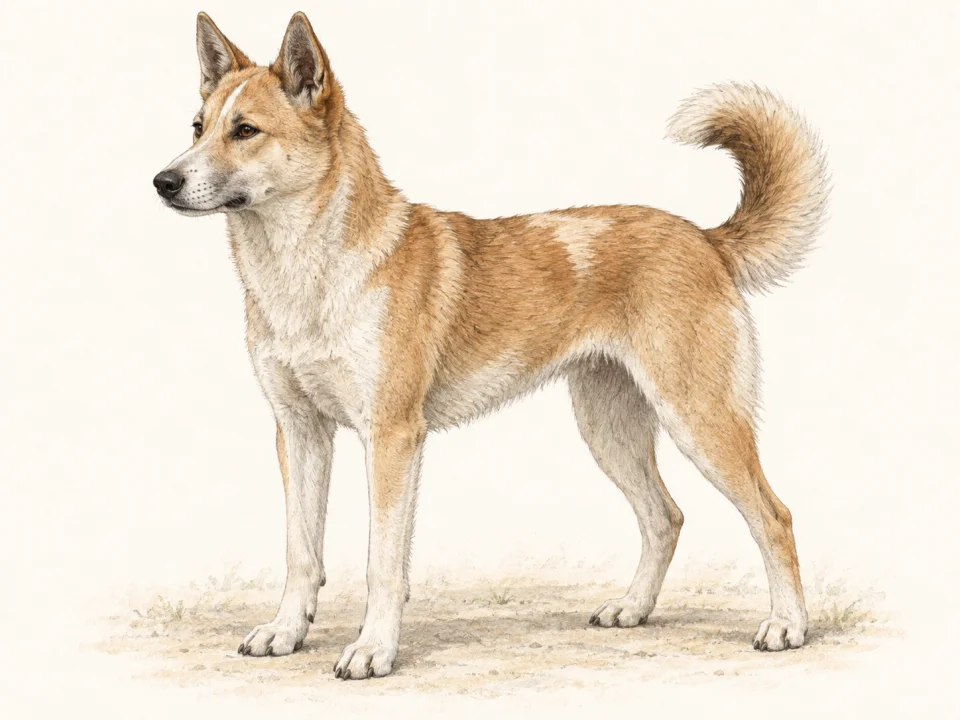
Understand reserve before choosing a social routine
AKC describes affection within the family alongside caution around unfamiliar people, dogs and environments. Ask how the individual handles visitors and new places rather than assuming every dog will enjoy crowded social outings. A quiet observation period can be more useful than immediate contact. Give the dog space and a predictable way to disengage while you build familiarity gradually.[1]
Prepare for an alert voice
The breed’s watchful background can include persistent vocal alerts. Discuss noise tolerance and the particular dog’s behavior before choosing a home with shared walls or a busy entryway. Practice a consistent response to arrivals, such as checking in with you and moving to a resting place. Do not repeatedly encourage alarm behavior and then expect silence when the situation becomes inconvenient.[1]
Use positive lessons with continuing social experience
The cited training guidance emphasizes positive methods and warns against harsh handling of this sensitive breed. Begin with achievable tasks and reward clear responses. Continue suitable introductions beyond puppyhood, increasing difficulty according to the individual’s comfort. There is no need to frame cooperation as a contest for household rank; consistent cues and thoughtful management give the dog more useful information.[1]
Combine daily outings with a mental task
AKC describes moderate exercise needs and identifies activities such as nose work, obedience and tracking as possible outlets. Build a routine you can sustain, selecting effort appropriate to health and age. A searching game or short lesson can add engagement to a suitable walk. Judge the plan by the dog’s comfort and recovery rather than assuming an agile appearance means unlimited stamina.[1]
Expect the double coat to shed seasonally
A harsh outer coat covers a softer undercoat. The cited guidance describes at least one shedding season yearly, when more frequent brushing helps remove loose hair. Check the actual coat rather than following a fixed calendar alone. Bathing may be relatively infrequent, but nail length, ears and teeth still require regular attention separate from whether the coat looks clean.[1]
Review the separate screening results
AKC lists patella, hip, elbow, ophthalmologist and thyroid evaluations in its recommended panel. Request identifiable reports and ask your veterinarian what each establishes, rather than accepting one general health certificate as equivalent to all five. The reference lifespan is 12–15 years. Screening helps inform decisions, but changes in the individual’s movement, vision or general condition still deserve attention.[1]
Frequently asked questions
Should a Canaan Dog be expected to welcome every stranger immediately?
No. AKC describes reserve with unfamiliar people and dogs. Use gradual, controlled introductions and assess the individual instead of forcing contact.
Source [1]Does an alert Canaan Dog need encouragement to guard the home?
Encouraging repeated alarm behavior can complicate everyday life. Focus on manageable arrivals, checking in with you and a consistent settling routine.
Source [1]Is the coat maintenance-free because the breed stays fairly clean?
No. The double coat sheds seasonally and needs more brushing then. Nails, ears and teeth need their own regular care.
Source [1]Which health evaluations does the cited panel list?
Patella, hip, elbow, ophthalmologist and thyroid evaluations. Ask for the separate identifiable reports and professional interpretation of their scope.
Source [1]FAQ sources
- American Kennel Club — Canaan Dog breed and care guidance ↗FAQ reference 1
Sources & methodology
Breed-level measurements and comparison scores provide context. They do not predict an individual dog's health, behaviour or suitability. Open the original publisher pages below to verify the facts and compare any later updates.
- American Kennel Club — Canaan Dog breed and care guidance ↗Reference 1 · reviewed 2026-09-27
Make it about your dog
Build a profile around your dog's age, experiences and everyday needs.
Meet your dog →Explore local care