
Match the energy before the size
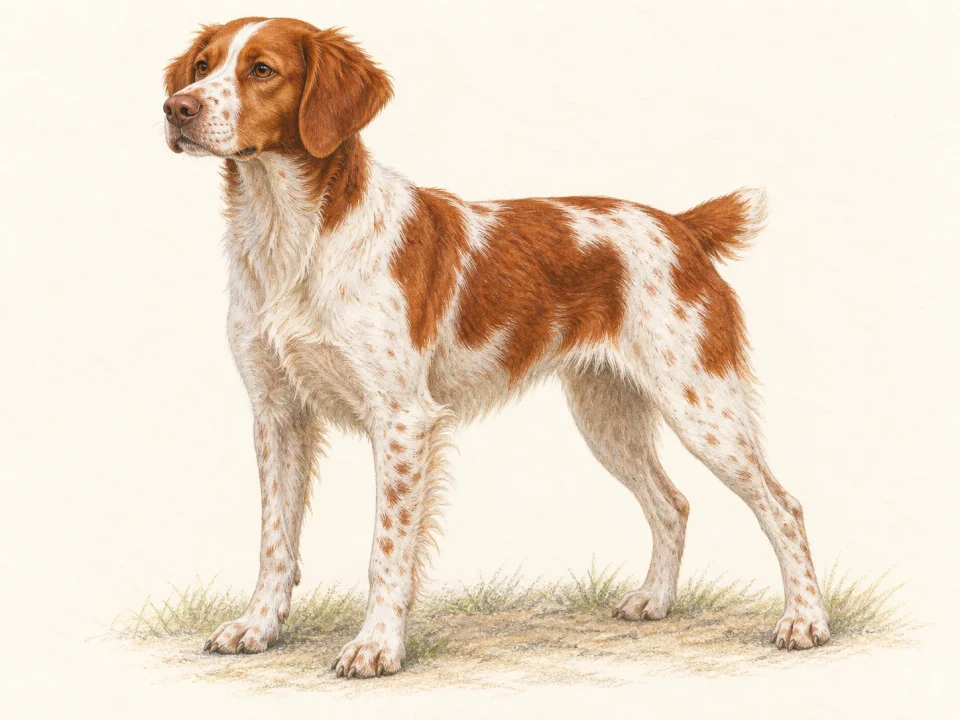
AKC references 17.5–20.5 inches and 30–40 pounds. That convenient size accompanies a vigorous hunting background, not a promise of an easygoing indoor routine. Before choosing a Brittany, describe a normal weekday to the breeder or rescue and ask how the particular dog spends its active and resting periods. An outdoorsy weekend cannot stand in for a workable daily plan.[1]
Combine an outing with something to learn
Suitable walks and hikes can be paired with attention exercises, controlled retrieves or searching tasks. AKC also identifies dog sports as potential outlets. Pick an activity appropriate to the dog’s age, health and preparation rather than assuming athletic ancestry means immediate readiness for long runs or demanding jumps. Track how the individual recovers as well as how eagerly it starts.[1]
Use encouragement to shape enthusiasm
The cited training guidance emphasizes patience and encouragement. Begin a new skill with few distractions and reward the response you want before increasing difficulty. For greetings, practice approaching while maintaining control rather than repeatedly allowing an excited rush. Consistency between household members helps a willing, energetic learner understand the task without making each lesson a test of endurance.[1]
Make the easy coat part of an outdoor check
The mostly short, flat or wavy coat generally needs a brush or grooming-glove session and a comb through the feathering. After an outing, use that time to inspect for debris and check the undersides of the ears. Avoid forceful pulling at a snag. Nail and dental care need their own routine even when the coat requires relatively little work.[1]
Plan for days when your usual activity is unavailable
Prepare several shorter suitable outings and indoor learning options for a disrupted day, while keeping the overall routine appropriate to the dog. Ask everyone providing care to use the same cues and equipment. This practical backup plan matters for a high-energy companion: relying on one particular field, weather condition or household member makes consistent care harder to maintain.[1]
Request both hip and eye records
AKC lists hip evaluation and ophthalmologist evaluation in the recommended screening panel. Obtain the reports and discuss their meaning with your veterinarian rather than substituting a general claim of good health. The cited lifespan reference is 12–14 years. It is background information, not a guarantee; changes in comfort, movement or activity tolerance still require attention in a seemingly athletic dog.[1]
Frequently asked questions
Is a Brittany suitable if I only have time for short bathroom trips?
That routine is a poor match for the breed’s high-energy hunting background. Assess whether you can provide suitable daily activity and learning before choosing one.
Source [1]Does a Brittany need elaborate coat grooming?
Usually not. AKC describes brushing or a grooming glove, combing the feathering and regular ear checks. Nails and teeth still require separate care.
Source [1]What health records should I ask about?
The cited AKC panel lists hip and ophthalmologist evaluations. Ask for identifiable reports and veterinary interpretation rather than a verbal assurance alone.
Source [1]Must a Brittany hunt to have a useful activity outlet?
No. Appropriate walks, hikes, learning games and suitable dog sports can provide shared activity. The plan still needs to fit the individual’s age, health and daily needs.
Source [1]FAQ sources
- American Kennel Club — Brittany breed and care guidance ↗FAQ reference 1
Sources & methodology
Breed-level measurements and comparison scores provide context. They do not predict an individual dog's health, behaviour or suitability. Open the original publisher pages below to verify the facts and compare any later updates.
- American Kennel Club — Brittany breed and care guidance ↗Reference 1 · reviewed 2026-09-27
Make it about your dog
Build a profile around your dog's age, experiences and everyday needs.
Meet your dog →Explore local care