
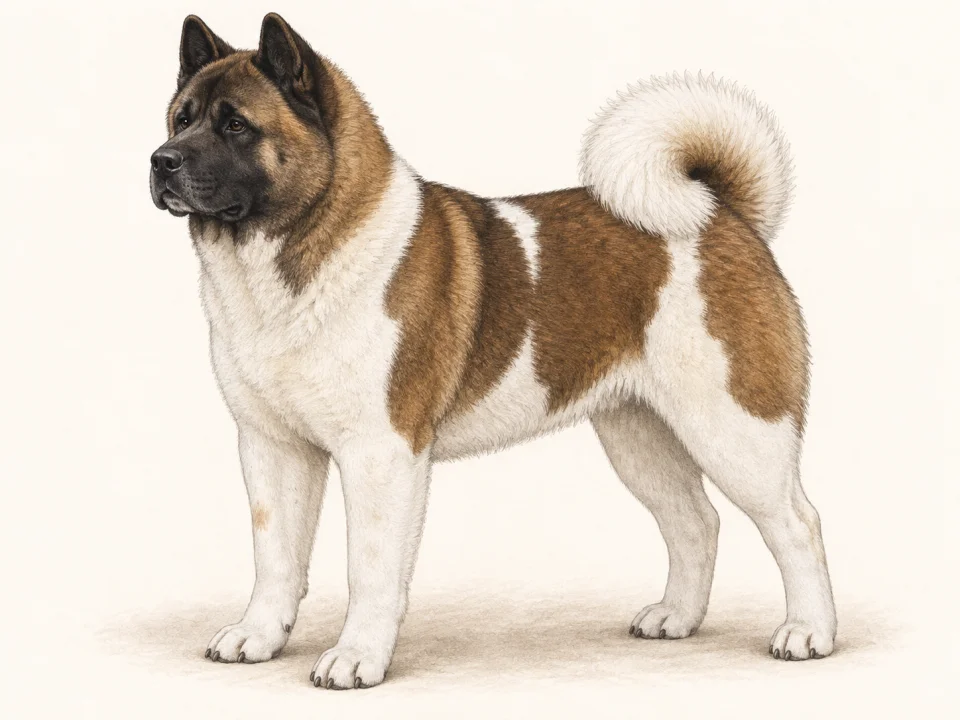
Check the existing animals before deciding
AKC cautions about interactions with other dogs, particularly those of the same sex. Discuss the actual household with the rescue or breeder, including each animal’s history. Do not arrange a close encounter merely to see what happens. Ask for professional support and a workable separation plan when introductions are appropriate. Compatibility must be assessed individually; a breed description cannot authorize an unsupervised meeting.[1]
A shared entrance needs an agreed procedure
Write down who controls the door when a delivery or visitor arrives. Identify where the dog can wait and how the visitor will receive instructions. Ask about the individual’s previous experience with similar situations. Rehearse the logistics among adults first. The arrangement should still work when someone is carrying groceries or another household member answers the door unexpectedly.[1]
Prepare for undercoat changes
AKC describes a dense double coat with substantial seasonal shedding. Choose a cleanable grooming area and ask for suitable tools and technique to be demonstrated. Keep coat observations separate from assumptions about health: a seasonal pattern does not explain every skin change. Tell a replacement carer what normal looks like for your dog and where to seek help if handling becomes uncomfortable.[1]
Keep feeding arrangements predictable
The source advises allowing space around food, away from other animals and children. Decide where bowls are placed and how household traffic will be managed. Give visiting carers clear instructions and avoid using a meal as a test of tolerance. If the individual has shown concerning behavior, describe the incidents to a qualified professional instead of attempting to solve them by confrontation.[1]
Treat independence as a planning issue
Choose practical skills that make daily care easier and ask a reward-based trainer how to introduce them. Keep records of the setting in which the dog responds reliably. Use secure management while a skill is developing. A missed cue should prompt a look at the situation and the teaching plan, rather than a physical contest with a large dog or a conclusion based solely on breed reputation.[1]
Make the adoption conversation specific
Bring three examples from your home: visitors arriving, another animal moving through a doorway and the longest regular absence. Ask what is known about the prospective dog in each situation. Record which answer is documented, which is a carer’s report and which is untested. Resolve the most important gaps with appropriate support before relying on an optimistic first meeting.[1]
Frequently asked questions
Can every Akita live with another dog?
No general guarantee is appropriate. AKC flags dog-to-dog compatibility as an important concern; investigate the individuals and use a supported introduction plan when suitable.
Source [1]Does an Akita’s coat shed heavily?
The dense undercoat has pronounced seasonal shedding. Regular maintenance remains necessary even if the dog appears very clean.
Source [1]Should children approach an Akita’s food bowl?
Arrange feeding away from children and other animals. Give every carer the same setup instructions rather than testing the dog’s response around food.
Source [1]Can an Akita be walked loose in an unsecured area?
AKC advises against it. Use secure containment and appropriate walking equipment; training does not remove the need to manage the environment.
Source [1]FAQ sources
- American Kennel Club — Akita breed and care guidance ↗FAQ reference 1
Sources & methodology
Breed-level measurements and comparison scores provide context. They do not predict an individual dog's health, behaviour or suitability. Open the original publisher pages below to verify the facts and compare any later updates.
- American Kennel Club — Akita breed and care guidance ↗Reference 1 · reviewed 2026-09-26
Make it about your dog
Build a profile around your dog's age, experiences and everyday needs.
Meet your dog →Explore local care