
Budget and measure for the adult, not the puppy
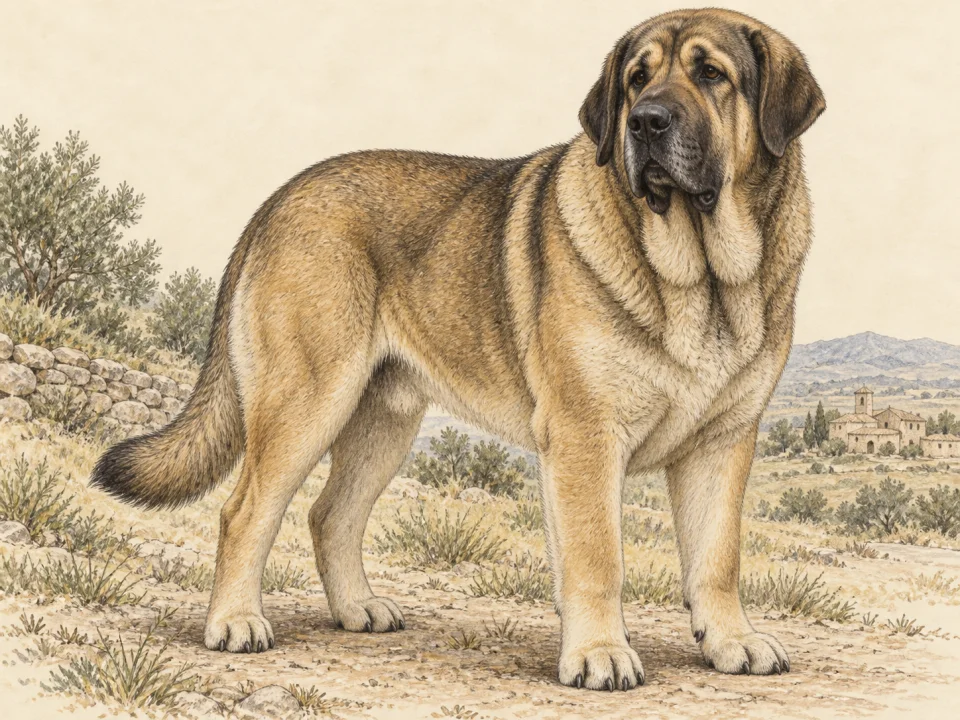
FCI describes a powerful guardian with a deep, far-carrying bark. It specifies minimum shoulder heights of 77 cm for males and 72 cm for females, without setting an upper height limit or a weight target. A compact puppy is therefore a poor guide to future logistics. Measure the vehicle entrance and usable resting space, discuss safe loading arrangements, and identify how you would obtain help if an adult could not walk. Ask the veterinary clinic about handling a dog of this size and obtain realistic costs for routine care. Consider neighbors as well: a boundary beside a busy path can expose the dog to frequent arrivals. A secure enclosure and a plan for bringing the dog away from the boundary are more useful than assuming a guardian will remain silent. The 140–200-pound quick-fact range comes from AKC’s overview; it is not an FCI requirement. Our height card uses the FCI minimums because the phrase “minimum 28–35 inches” in the AKC overview does not identify a clear minimum for each sex.[1]
Do not make rapid growth the goal
The general veterinary guidance published by AKC explains why large and giant puppies need attention to dietary energy and calcium balance. Discuss a food appropriate for large-breed growth and the amount to feed with your veterinarian, then track growth and body condition at follow-up visits. Do not add products intended to make the dog bigger without veterinary advice. Exercise also needs to match development: a puppy’s enthusiasm is not clearance for repetitive jogging or jumping. Ask the veterinarian when the individual is ready for more demanding activity. The aim is comfortable movement and sound condition, not reaching an advertised adult weight as quickly as possible. The breed’s size makes basic cooperative handling worth teaching while the puppy is still manageable.[2]
Ask about hip evaluation as a specific document
The Spanish breed association, AEPME, describes hip-dysplasia control as part of its breeding program. For a prospective litter, ask which evaluation system was used for each parent and request the interpreted report, not just a statement that an X-ray was taken. A membership or pedigree document serves a different purpose from a health result. Have your veterinarian explain unfamiliar grading terminology and discuss relevant family history. Screening can inform a breeding decision; it cannot promise that every puppy will remain free of orthopedic problems. If a dog becomes reluctant to move, do not dismiss that change as normal for a very large breed.[3]
Frequently asked questions
Does the Spanish Mastiff standard prescribe an ideal adult weight?
The cited FCI standard gives minimum heights and emphasizes proportion and functional movement; it does not prescribe a weight target. Assess the individual’s condition with a veterinarian instead of feeding toward a maximum size.
Source [1]Can I exercise a giant puppy like a fit adult?
No. Growth and joint development require age-appropriate activity. Ask your veterinarian before introducing repetitive running, jumping or demanding sport, even if the puppy seems eager.
Source [2]Does an X-ray appointment prove the parents passed hip screening?
No. Ask for the interpreted evaluation and the system used. A completed image, a pedigree and a hip result are different pieces of evidence.
Source [3]Is 35 inches the maximum height for a Spanish Mastiff?
No. The cited FCI standard sets no upper height limit. Its minimum shoulder heights are 77 cm for males and 72 cm for females. These are conformation criteria, not a reason to pursue maximum growth or give extra supplements.
Source [1]FAQ sources
- FCI — Spanish Mastiff standard No. 91 ↗FAQ reference 1
- AKC — How to Care for Your Large-Breed Dog, including veterinary guidance ↗FAQ reference 2
- AEPME — Membership and breeding-plan description ↗FAQ reference 3
Sources & methodology
Breed-level measurements and comparison scores provide context. They do not predict an individual dog's health, behaviour or suitability. Open the original publisher pages below to verify the facts and compare any later updates.
- FCI — Spanish Mastiff standard No. 91 ↗Reference 1 · reviewed 2026-09-27
- AKC — How to Care for Your Large-Breed Dog, including veterinary guidance ↗Reference 2 · reviewed 2026-09-27
- AEPME — Membership and breeding-plan description ↗Reference 3 · reviewed 2026-09-27
- American Kennel Club — Spanish Mastiff overview ↗Reference 4 · reviewed 2026-09-27
Make it about your dog
Build a profile around your dog's age, experiences and everyday needs.
Meet your dog →Explore local care