
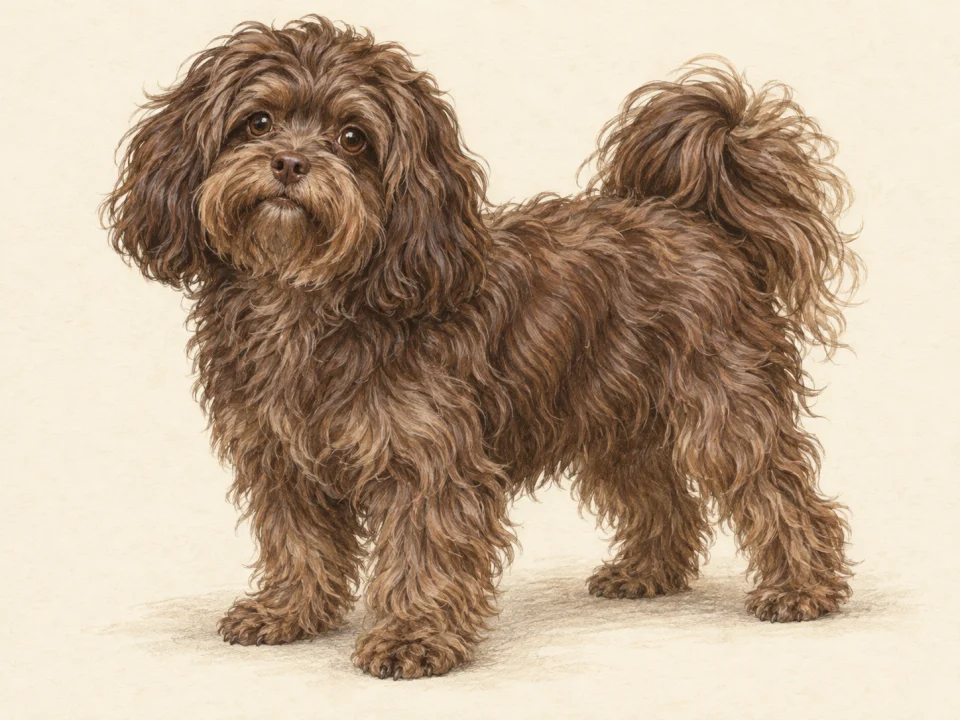
Budget for the coat, including the face
AKC recommends regular combing several times a week and notes that a full-coated dog may need daily attention to the beard and mustache. Before choosing a full coat, ask a groomer to show you the work between appointments. Check where food or water collects around the face and learn how to clean the area without pulling or irritating the skin. Part the coat during checks instead of judging it only by how fluffy it looks. Agree a comfortable maintenance plan for your household; a show-ring presentation is not a substitute for practical care. Introduce brief grooming sessions early and share the method with anyone who will look after the dog. If the dog cannot tolerate a procedure comfortably, seek help rather than forcing a complete session.[1]
Treat allergy suitability as a medical question
A Bolonka’s low-shedding reputation cannot establish that it will be safe for someone with dog allergy. ACAAI explains that allergens occur in dander, saliva and other material, and that a truly allergy-free dog breed does not exist. If allergy is a deciding factor, discuss it with an allergist before committing to a dog. Do not use a seller’s hypoallergenic label or one symptom-free visit as a guarantee about living together. This distinction also matters when comparing grooming costs: having less visible hair on furniture does not remove the need for coat care, and grooming cannot turn a dog into an allergen-free pet.[2]
Check what the health reports cover
The breed club’s February 2022 statement lists patella, specialist eye and cardiac evaluations, plus a prcd-PRA DNA test, for its CHIC requirements. It names hip evaluation as optional but recommended. Confirm current guidance with the club and request actual dated findings for each parent. The DNA result addresses a named condition; it is not interchangeable with an examination by a veterinary ophthalmologist. A useful set of records identifies the dog, the test and the result, so your veterinarian can review it without guessing which certificate belongs to which parent. Ask separately about the puppy’s own veterinary history. Neither a long expected lifespan nor a reassuring breed description answers these individual questions.[3]
Frequently asked questions
Is a Bolonka guaranteed not to trigger dog allergy?
No. ACAAI states that there is no truly allergy-free dog breed. Low shedding is not the same as absence of allergens; discuss your situation with an allergist before choosing a dog.
Source [1]Does a coat that leaves little hair on furniture need little care?
Not necessarily. AKC recommends combing several times weekly, with additional face care for a full coat. Ask to see the routine before deciding it fits your schedule.
Source [2]Does a prcd-PRA DNA result replace the eye examination?
No. The club’s February 2022 statement lists them separately. Ask for both records, along with the other recommended assessments, and confirm current club guidance.
Source [3]FAQ sources
Sources & methodology
Breed-level measurements and comparison scores provide context. They do not predict an individual dog's health, behaviour or suitability. Open the original publisher pages below to verify the facts and compare any later updates.
- American Kennel Club — Russian Tsvetnaya Bolonka care ↗Reference 1 · reviewed 2026-09-27
- American College of Allergy, Asthma and Immunology — Pet allergies ↗Reference 2 · reviewed 2026-09-27
- Russian Tsvetnaya Bolonka Club of America — February 2022 health statement ↗Reference 3 · reviewed 2026-09-27
Make it about your dog
Build a profile around your dog's age, experiences and everyday needs.
Meet your dog →Explore local care