
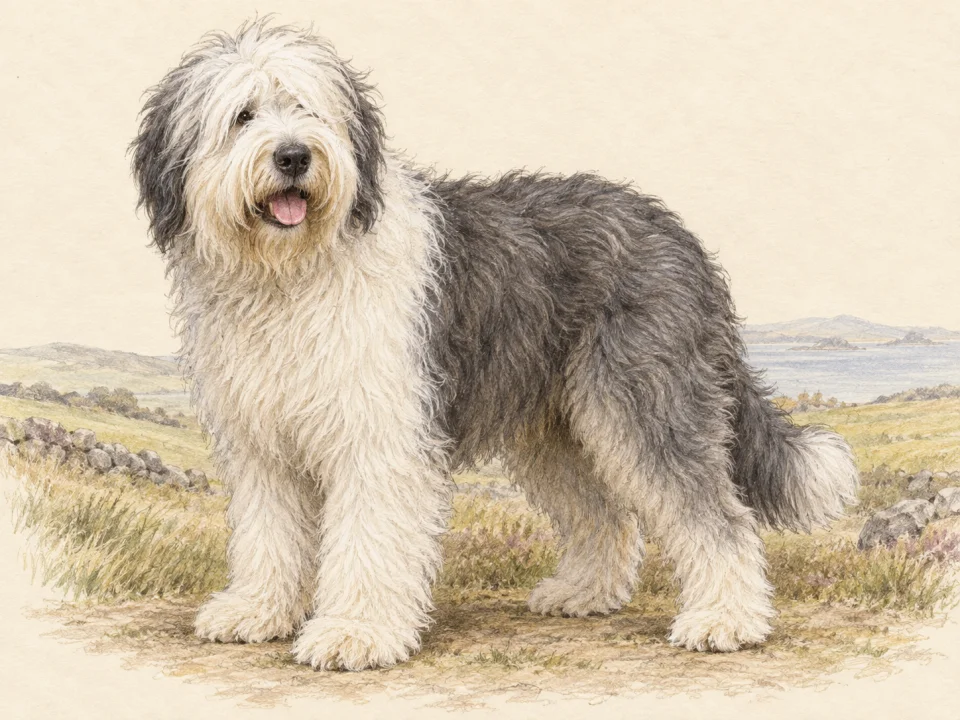
Make the grooming appointment a practical handover
AKC calls for thorough grooming through the full coat to the skin, rather than brushing only the outer surface. A pet trim is an option, but regular brushing remains necessary between baths and haircuts. Before bringing a dog home, arrange a demonstration with a groomer experienced in this coat. Ask them to show you how to part the hair, work through a small area comfortably and recognize when a tangle needs professional attention. Use a simple handover note: areas checked, areas still needing work, any discomfort noticed and the next appointment. This avoids two carers each assuming the other finished the difficult parts. Agree on tools and a maintenance schedule for the actual coat length you choose. Keep the dog comfortable with short handling sessions rather than turning an unfinished coat into one prolonged struggle. If the skin looks sore or grooming causes pain, seek professional advice instead of pulling harder.[1]
Look past the silhouette when planning daily life
The standard describes a muscular, compact working dog whose coat should not hide its outline. It also permits brown eyes, blue eyes or one of each; different eye colors alone are not a reason to assume the dog cannot see. In a home visit, look at movement, handling and the space the adult dog needs, not just its fluffy appearance. Try a realistic household walk-through: where will a wet dog dry, who will manage the entrance when visitors arrive, and can the dog settle without blocking a narrow passage? Teach comfortable handling and everyday manners while the dog is young enough to manage easily. A breed description cannot guarantee gentle behavior around children, so arrange supervised interactions and a resting place where the dog can be left undisturbed.[2]
Read the date and scope of the health records
The parent club’s August 2017 statement lists hips, specialist eye examination, autoimmune thyroiditis screening and an exercise-induced collapse DNA test as required elements of its scheme. It separately lists optional checks, including hearing, cardiac and additional DNA tests. That dated statement is a starting point for a conversation, not proof that a breeder follows the latest recommendations. Ask for the actual reports, their dates and the identities of the dogs tested, then check the current requirements with the club or registry. An eye examination and a DNA result answer different questions; one should not be presented as a replacement for the other. Bring the records to your veterinarian when planning care for your own dog.[3]
Frequently asked questions
Will a short haircut make an Old English Sheepdog maintenance-free?
No. AKC specifically notes that pet trims still need regular brushing between bathing and haircuts. Ask the groomer to demonstrate the work required for your chosen length and agree who will do it.
Source [1]Can an Old English Sheepdog normally have one blue eye and one brown eye?
Yes. The breed standard allows brown, blue or one of each. Eye color does not replace an eye examination or establish how well an individual dog sees.
Source [2]FAQ sources
- American Kennel Club — Old English Sheepdog care ↗FAQ reference 1
- American Kennel Club — Old English Sheepdog breed standard ↗FAQ reference 2
Sources & methodology
Breed-level measurements and comparison scores provide context. They do not predict an individual dog's health, behaviour or suitability. Open the original publisher pages below to verify the facts and compare any later updates.
- American Kennel Club — Old English Sheepdog care ↗Reference 1 · reviewed 2026-09-27
- American Kennel Club — Old English Sheepdog breed standard ↗Reference 2 · reviewed 2026-09-27
- Old English Sheepdog Club of America — Health statement, August 2017 ↗Reference 3 · reviewed 2026-09-27
Make it about your dog
Build a profile around your dog's age, experiences and everyday needs.
Meet your dog →Explore local care