
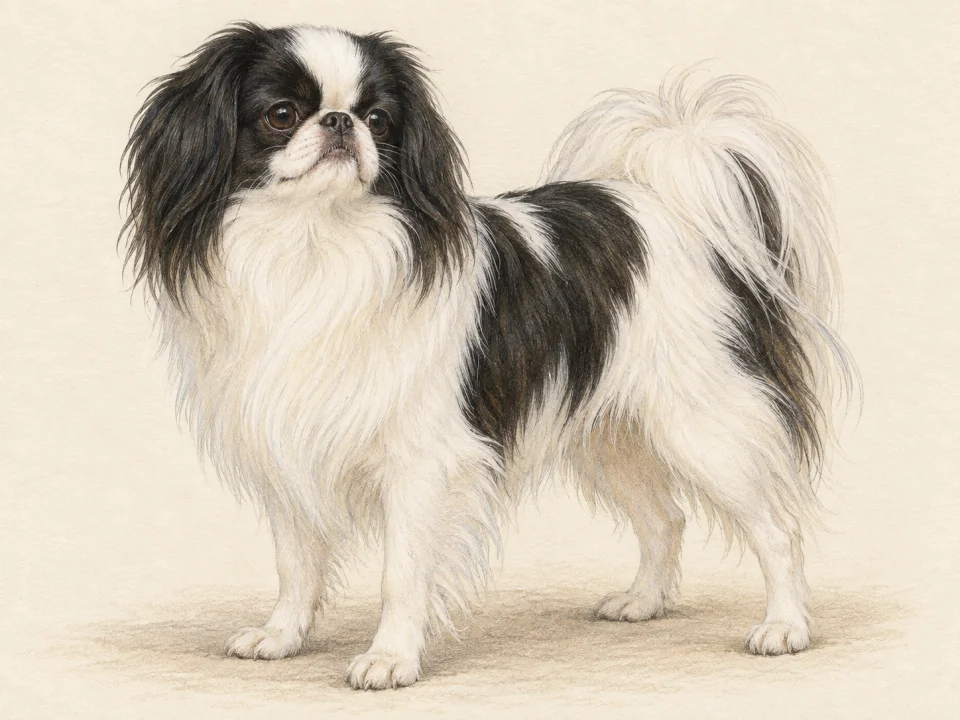
Make handling comfortable instead of doing everything by lifting
AKC describes a companion that responds to positive, interesting training and gentle treatment. Small size can make it tempting to carry a Chin through every unwanted situation, but the dog still needs opportunities to learn familiar routines comfortably. Practice coming toward you, accepting care and moving through safe spaces with rewards. When lifting is needed, have a professional demonstrate secure support and supervise children rather than allowing repeated grabbing. Plan gentle walks or play at the individual’s pace and keep outdoor exploration securely managed. The silky coat usually needs weekly brushing, according to AKC, with regular nail, ear and dental care as well. Ask a groomer to show how to manage longer hair without pulling. Keeping a dog neatly groomed is not the same as knowing that every touch is comfortable; pain, new reluctance or a change in movement deserves attention.[1]
A normal-looking parent can still carry a GM2 variant
OFA’s University of Missouri information describes GM2 gangliosidosis in Japanese Chin as a recessively inherited, progressive neurological disease and explains why carriers may appear normal. Ask for identifiable GM2 DNA results when discussing a litter instead of relying only on the parents’ appearance or behavior. Have a veterinarian help interpret the reports and keep them with the other health records. This test addresses a particular inherited condition, not every cause of weakness or altered behavior. OFA notes that other diseases can also cause loss of coordination or changes in awareness. If your dog develops such signs, seek veterinary assessment rather than deciding from an online description that it has GM2, or dismissing the signs because one genetic result was clear. The practical benefit of the report is better information for professional decisions, not a home diagnosis.[2]
Frequently asked questions
Does the Japanese Chin’s silky coat require daily elaborate styling?
AKC describes weekly brushing and bathing as needed, alongside routine nail, ear and dental care. Have the routine adapted to the individual coat and seek help with tangles rather than forcing a brush through them.
Source [1]Can a healthy-looking Japanese Chin be a GM2 carrier?
Yes. OFA explains recessive inheritance and why carriers may appear normal. Ask for the named DNA report; appearance alone does not establish genetic status.
Source [2]FAQ sources
- American Kennel Club — Japanese Chin ↗FAQ reference 1
- OFA — Gangliosidosis, University of Missouri veterinary information ↗FAQ reference 2
Sources & methodology
Breed-level measurements and comparison scores provide context. They do not predict an individual dog's health, behaviour or suitability. Open the original publisher pages below to verify the facts and compare any later updates.
- American Kennel Club — Japanese Chin ↗Reference 1 · reviewed 2026-09-27
- OFA — Gangliosidosis, University of Missouri veterinary information ↗Reference 2 · reviewed 2026-09-27
Make it about your dog
Build a profile around your dog's age, experiences and everyday needs.
Meet your dog →Explore local care