Put the lifespan range in context
The AKC facts panel lists 14–15 years, while its health text describes 13–15. These overlapping references are guidance, not a prediction. Plan for an older dog as well as a puppy: consider transport, reliable backup care and how you will keep veterinary records accessible. Ask about the individual dog’s history before interpreting a breed range as reassurance about a current concern.[1]
A small sighthound still needs boundaries outdoors
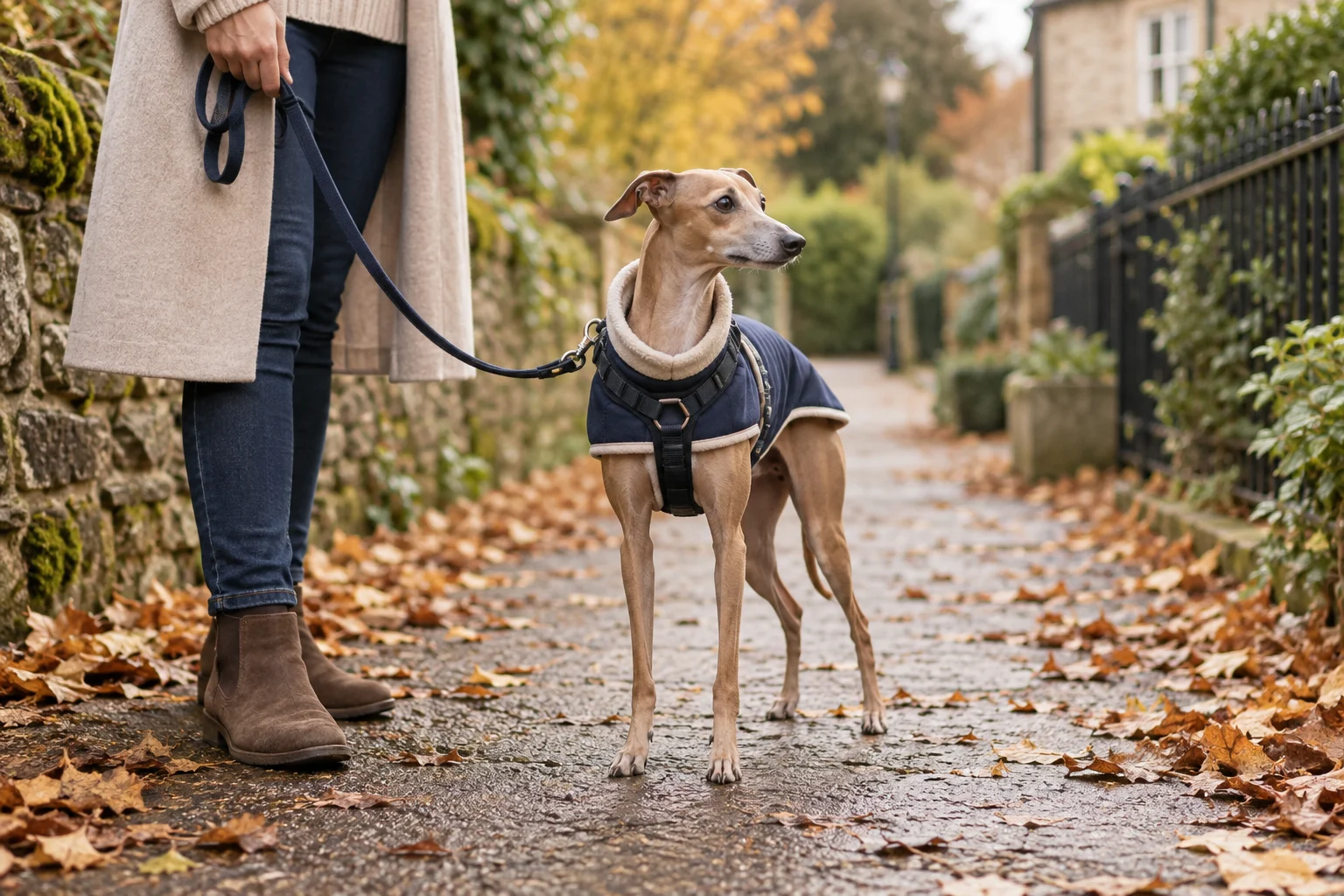
AKC cautions against off-leash activity in unsecured places because movement can prompt pursuit. Before the first walk, ask how the current handler fits and uses the equipment. Check the route from home to the exercise area and identify where doors or gates open. Give another carer the same instructions rather than assuming training removes the need for containment.[1]
Discuss play partners and the physical setting
The source advises care around situations that could cause leg injuries. Look at the actual play space, changes of level and the dogs sharing it. Ask an experienced carer what adjustments have worked for this individual. Supervision should have a practical purpose: someone must be able to interrupt an unsuitable interaction, not merely be somewhere nearby while the dogs play.[1]
Dental care deserves a place in the timetable
AKC places strong emphasis on regular tooth brushing for this breed. Ask the veterinary team to demonstrate a comfortable introduction and suitable supplies. Record what the dog tolerates rather than forcing a complete session on the first attempt. Discuss the timing of professional checks with the veterinarian; the presence of a care routine does not replace assessment of an existing problem.[1]
Keep training quiet and observable
AKC recommends reward-based methods for the Italian Greyhound. Choose a single practical cue and begin where the dog can attend comfortably. Agree on the cue across the household and note when extra help is needed. If progress changes sharply, describe the situation before labeling the dog stubborn. Environment, familiarity and comfort are useful matters to discuss with a qualified trainer.[1]
Write a travel-day handover
List the walking equipment, secure outdoor arrangement, food, dental-care supplies and veterinary contact in one place. Show a backup carer how the dog usually rests and moves around the home. Identify any uncertain handling step before you leave. The purpose is to preserve familiar routines while someone else is responsible, not to demand that the dog instantly accept a new schedule.[1]
Frequently asked questions
How long do Italian Greyhounds live?
The recorded breed reference is 14–15 years. Plan for care into old age while recognizing that a lifespan range cannot predict the outcome for your individual dog.
Source [1]Is an Italian Greyhound simply a couch dog?
No. AKC describes a small affectionate companion that retains a coursing hound’s interest in pursuit. Ask about the dog’s response to movement and the arrangements used for safe outdoor activity.
Source [1]How small is an adult Italian Greyhound?
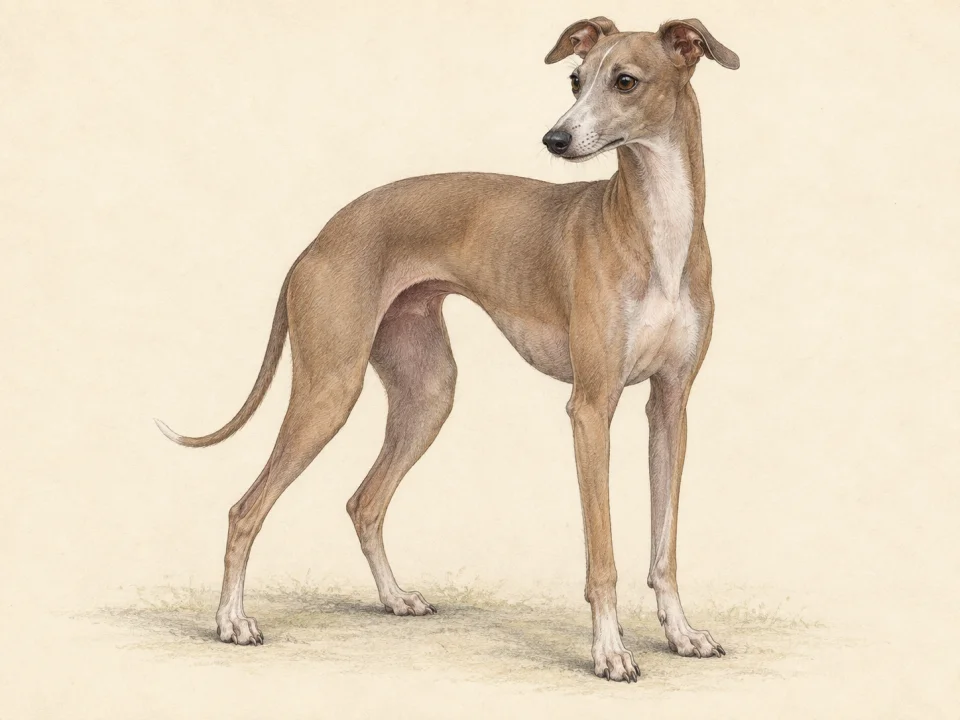
The reference lists 13–15 inches in height and 7–14 pounds in weight. Choose fitted equipment from the individual’s measurements rather than relying on the toy-group label.
Source [1]Does an affectionate temperament mean no care planning is needed?
No. Affection is a broad breed description. Before adoption, ask about this dog’s current routine, handling experience and time alone, then plan support for any situation that has not been observed.
Source [1]FAQ sources
- American Kennel Club — Italian Greyhound ↗FAQ reference 1
Sources & methodology
Breed-level measurements and comparison scores provide context. They do not predict an individual dog's health, behaviour or suitability. Open the original publisher pages below to verify the facts and compare any later updates.
- American Kennel Club — Italian Greyhound breed and care guidance ↗Reference 1 · reviewed 2026-09-26
Make it about your dog
Build a profile around your dog's age, experiences and everyday needs.
Meet your dog →Explore local care