
Prepare the puppy’s route through the house
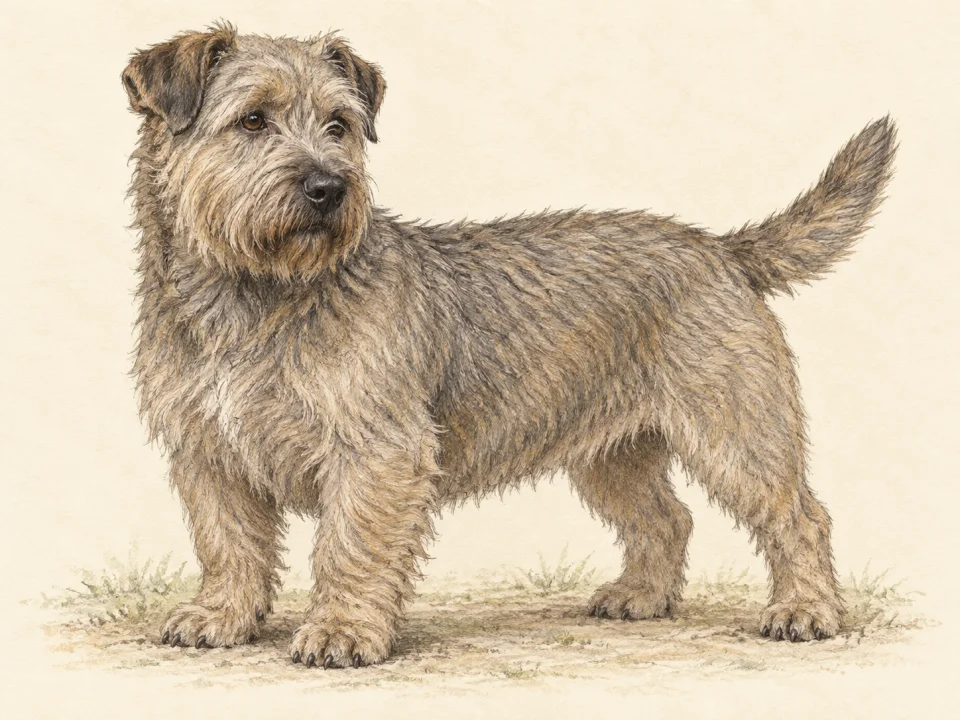
AKC gives a height of 12.5–14 inches and weight of 32–40 pounds, and highlights care around the developing front legs. Think about the route from sleeping area to toilet area: does it involve steep stairs or an opportunity to leap from furniture? Arrange access so a puppy is not repeatedly making those drops. Ask the veterinarian and breeder for an age-appropriate activity plan rather than treating a birthday as automatic clearance for strenuous exercise. Leash practice can focus on short, enjoyable learning without turning every outing into a distance target. If the puppy limps or seems uncomfortable, seek assessment; short legs do not make pain normal. Where lifting is necessary, have someone demonstrate safe support of the individual dog. The relevant preparation is the daily layout, not simply buying a smaller bed.[1]
A quieter terrier still has terrier interests
AKC describes the Glen as relatively less excitable than many terriers while retaining interest in small furry animals. Do not use a reputation for calmness to justify an unsupervised introduction to a rabbit or rodent. Plan secure separation before considering whether the household fits this dog. Grooming has a similar distinction: the informal, scruffy appearance does not mean the coat should be left unattended. AKC recommends regular brushing and periodic stripping. Ask for a demonstration of the softer furnishings around the ears, legs and underside, and a realistic home-care plan. If grooming becomes uncomfortable, stop and seek appropriate advice rather than pulling harder to finish. Handling and cooperative practice are useful everyday skills for a sturdy dog close to the ground.[1]
Check the date and scope of breeder health records
The club’s March 2024 statement covers hip and elbow testing, clinical eye examinations and crd3 testing for a form of progressive retinal atrophy. It also describes a DM testing trial running from February 2024 through December 2025. That end date matters: the letter alone does not establish the club’s current post-trial policy. Confirm the latest requirements with the club, and request the actual reports for both parents. Keep DNA findings separate from clinical eye examination dates; one does not stand in for the other. The statement directs buyers to published OFA records, which makes an identifiable result more useful than an unsupported assurance that a parent was checked. A veterinarian can help interpret a report’s limits and what follow-up is relevant to the dog you are considering.[2]
Frequently asked questions
Does the Glen’s small height make it a lightweight terrier?
No. AKC lists 32–40 pounds despite a height of 12.5–14 inches. Plan handling and equipment for the actual dog’s substantial build.
Source [1]Is the DM trial described in the 2024 club statement still a current policy?
The statement specified a trial ending December 31, 2025. It does not establish what the club adopted afterward. Ask for current guidance instead of treating the old trial dates as an ongoing rule.
Source [2]FAQ sources
- American Kennel Club — Glen of Imaal Terrier ↗FAQ reference 1
- Glen of Imaal Terrier Club of America — Health Statement, March 17, 2024 ↗FAQ reference 2
Sources & methodology
Breed-level measurements and comparison scores provide context. They do not predict an individual dog's health, behaviour or suitability. Open the original publisher pages below to verify the facts and compare any later updates.
- American Kennel Club — Glen of Imaal Terrier ↗Reference 1 · reviewed 2026-09-27
- Glen of Imaal Terrier Club of America — Health Statement, March 17, 2024 ↗Reference 2 · reviewed 2026-09-27
Make it about your dog
Build a profile around your dog's age, experiences and everyday needs.
Meet your dog →Explore local care