
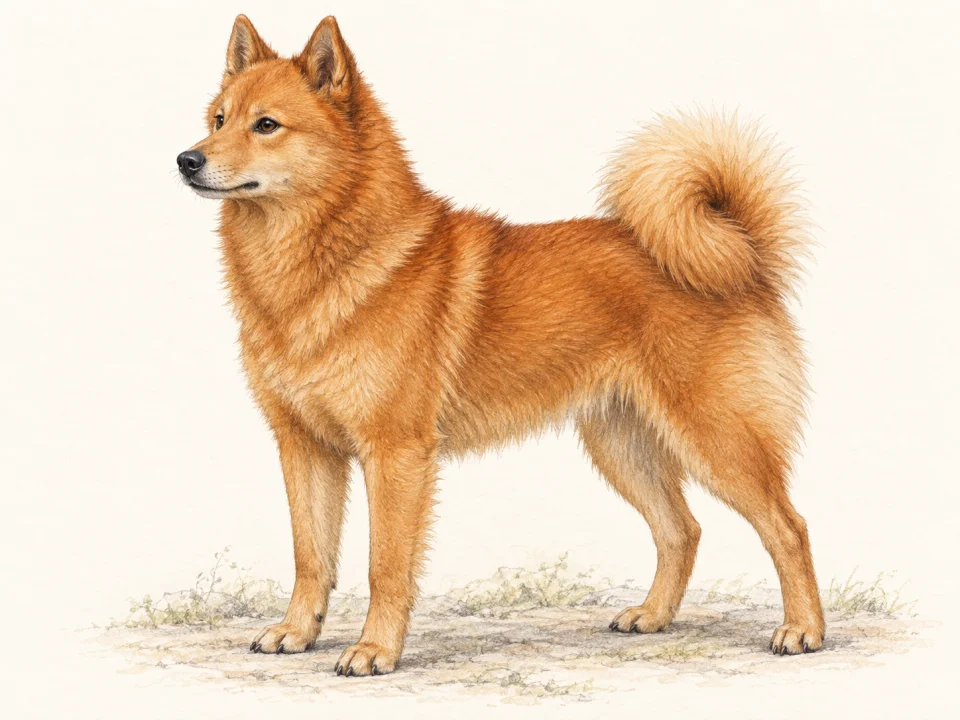
Barking is part of the selection decision, not a surprise to solve later
The March 2026 FCI standard describes a hunter that works cooperatively yet independently, indicating game through its voice. Its history includes selection for dogs that barked at game in trees. For a companion home, that does not mean every bark is hunting behavior, but it does make a promise of silence a poor basis for choosing this breed. Before committing, listen to adult dogs and ask their carers about ordinary triggers, duration and what helps them disengage. Consider the real setting: close neighbors, shared entrances, birds visible from windows and people passing a fence. Record which situations your home can manage and which would create an ongoing conflict. Training can teach useful responses, but it should not be sold as erasing the breed’s working background. If very low noise is essential, resolve that mismatch before bringing a puppy home.[2]
Plan secure exploration and a natural coat routine
AKC emphasizes secure fencing and time with the family for this hunting breed. Walk the boundary and the exit route before arrival, including gates that other people use. Arrange outings where exploration does not depend on untested recall near roads or wildlife, and ask an instructor how to develop engagement in progressively more distracting settings. Do not leave the dog alone outdoors as the solution to its activity needs. After an outing, coat care is usually about cleaning and removing loose hair rather than creating a sculpted outline. AKC describes a natural coat with extra brushing needed during shedding. Ask a groomer familiar with the breed to demonstrate the tools and technique on the actual coat. Keep a note of any areas the dog finds uncomfortable; a short routine done comfortably is more useful than forcing completion through distress. The red appearance does not remove the work of caring for the dense undercoat beneath it.[1]
Frequently asked questions
Why is the Finnish Spitz associated with barking?
The breed was used to locate game and indicate it by barking. This is a documented working role, not proof that every vocal episode has the same cause.
Source [1]Can a Finnish Spitz simply exercise itself in the yard?
A secure yard is useful, but it does not replace shared activity or companionship. Plan supervised use, secure gates and time with the household.
Source [2]Does a natural coat mean no grooming?
No. AKC describes routine brushing and additional care during shedding. Preserving the natural outline is different from leaving loose undercoat unattended.
Source [2]FAQ sources
- FCI Standard No. 49 — Finnish Spitz, March 2026 edition ↗FAQ reference 1
- American Kennel Club — Finnish Spitz ↗FAQ reference 2
Sources & methodology
Breed-level measurements and comparison scores provide context. They do not predict an individual dog's health, behaviour or suitability. Open the original publisher pages below to verify the facts and compare any later updates.
- American Kennel Club — Finnish Spitz ↗Reference 1 · reviewed 2026-09-27
- FCI Standard No. 49 — Finnish Spitz, March 2026 edition ↗Reference 2 · reviewed 2026-09-27
Make it about your dog
Build a profile around your dog's age, experiences and everyday needs.
Meet your dog →Explore local care