
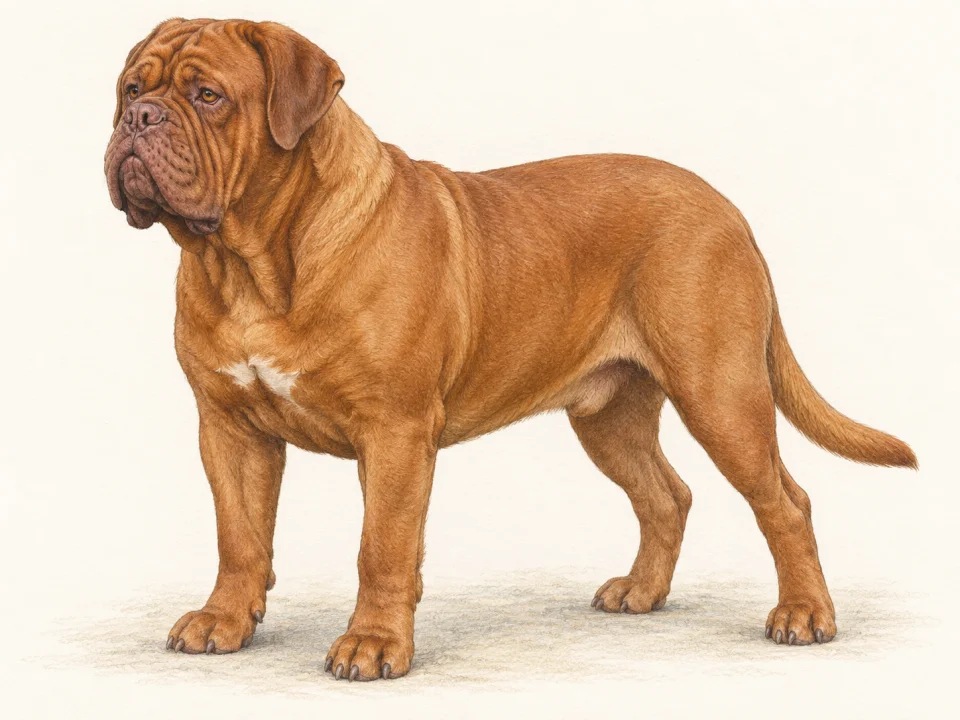
Plan for the adult you may need to help into a car
The official standard gives minimum weights of 110 pounds for males and 99 pounds for females. These are not maximum sizes. It also gives male height as 23.5–27 inches, not a single decimal measurement. Before choosing a puppy, measure the usable vehicle space and consider how you would manage an adult with limited mobility. Do not base the plan on being able to pick the dog up as you do now. Ask your veterinarian or an appropriate rehabilitation professional about safe assistance if it becomes necessary. At home, decide where the dog can rest and move without repeatedly negotiating awkward furniture or steps. These mundane arrangements matter as much as room for a large bed.[2]
Make drool cleanup a comfortable routine, not a struggle
AKC highlights substantial drooling and the need to keep facial folds clean and dry. Place appropriate cleanup supplies where you actually use them and have a veterinarian demonstrate suitable fold care for the individual. Practice brief, rewarded face handling while the dog is comfortable instead of waiting until a fold is sore or a cleanup is urgent. Agree on who checks the skin when more than one person provides care; wiping the floor does not tell you whether the folds were checked. Ask for assessment of persistent odor, redness or pain rather than assuming they are an unavoidable part of owning a mastiff. The short body coat does not remove this separate responsibility.[1]
Let cooperation develop before physical demands increase
The cited care guidance recommends low-impact activity for a growing Dogue and cautions against overexertion and repeated jumping or stair running. It also warns against heavy-handed training. Use early lessons for useful cooperation: waiting at an open door, standing comfortably for a check and moving toward a resting place. Keep physical activity appropriate to development and individual health, with veterinary guidance before more demanding work. An enthusiastic puppy is not a smaller version of a conditioned adult. When discussing a breeder’s records, ask separately about the listed hip, elbow, cardiac and shoulder evaluations, and have their meaning explained. Growth management, handling skills and screening address different questions; none can substitute for the others.[1]
Frequently asked questions
Is 110 pounds the maximum weight for a male Dogue de Bordeaux?
No. The official standard sets it as a minimum. Plan equipment for the individual and use veterinary body-condition advice rather than trying to feed toward a standard number.
Source [1]Does the short coat make daily cleanup unnecessary?
No. AKC highlights drooling and facial-fold care. A simple body coat does not eliminate keeping folds appropriately clean and dry.
Source [2]Should an energetic puppy start demanding adult exercise early?
No. The cited guidance emphasizes low-impact activity during growth. Develop cooperative skills and ask for individual advice before increasing physical demands.
Source [2]FAQ sources
- AKC Official Standard — Dogue de Bordeaux, effective June 2021 ↗FAQ reference 1
- American Kennel Club — Dogue de Bordeaux care ↗FAQ reference 2
Sources & methodology
Breed-level measurements and comparison scores provide context. They do not predict an individual dog's health, behaviour or suitability. Open the original publisher pages below to verify the facts and compare any later updates.
- American Kennel Club — Dogue de Bordeaux care ↗Reference 1 · reviewed 2026-09-27
- AKC Official Standard — Dogue de Bordeaux, effective June 2021 ↗Reference 2 · reviewed 2026-09-27
Make it about your dog
Build a profile around your dog's age, experiences and everyday needs.
Meet your dog →Explore local care