
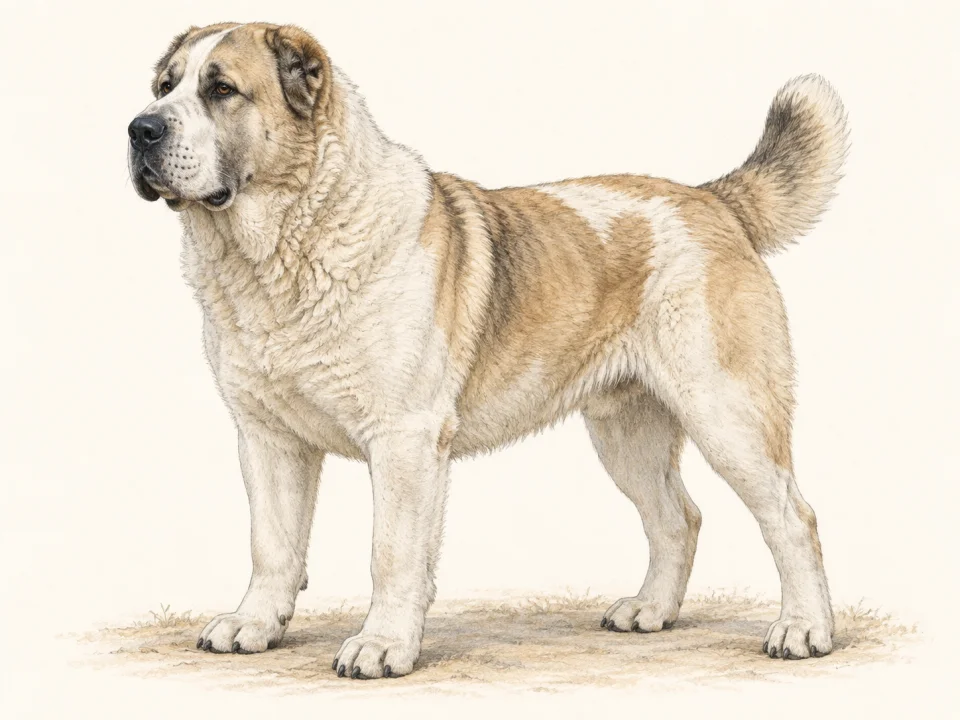
Read the height figures as minimums
The AKC entry presents height as a minimum range of 25.5–27.5 inches and weight as a minimum range of 88–110 pounds. These figures must not be turned into a maximum adult size or an average. Before buying equipment, measure the individual dog and allow for growth. Feeding a youngster to reach an impressive weight is not a responsible size plan.[1]
A guardian needs a deliberate access plan
Protectiveness toward household and property can make arrivals difficult. Arrange gates, secure resting space and a visitor procedure before the dog rehearses rushing the entrance. Tell regular carers how to enter without relying on improvisation. A parcel delivery, repair visit or emergency handover should have a workable plan even when the person who usually handles the dog is absent.[1]
Independence changes training expectations
This is not a breed to choose because you want automatic compliance with every repeated cue. Teach practical cooperative skills in short, consistent reward-based sessions and keep the surroundings manageable. Start with coming along on leash, waiting at a barrier and accepting care. For developing guarding problems, involve a qualified professional early instead of trying confrontation or encouraging stronger defensive behavior.[1]
Check containment from more than one angle
A large yard is useful only if it is securely enclosed and the dog’s access can be controlled. Check gate latches, delivery entrances and weak boundary points, then reassess as the dog grows. Walk on leash outside the enclosure. A quiet dog at home still needs managed exercise; apparent calm is not evidence that it will ignore an unfamiliar person or animal.[1]
Prepare for concentrated coat shedding
The undercoat can produce a substantial seasonal shed despite modest grooming needs at other times. Have an appropriate brush and a place for calm, short grooming sessions ready before that period. Check nails, ears and teeth throughout the year. Teach handling progressively while the dog is young, since essential care becomes harder if a large adult has never learned to cooperate.[1]
Keep missing information visibly separate from reassurance
The source snapshot does not supply a usable lifespan range or a named screening panel. Its health guidance does specifically discuss hip clearances. Ask for current breed guidance, family health history and identifiable results, then review them with a veterinarian. Do not interpret sparse published information or a natural-breed label as proof that inherited illness is absent.[1]
Frequently asked questions
How tall is a Central Asian Shepherd Dog?
The AKC entry gives minimum heights in the 25.5–27.5 inch range. These are minimum reference figures, not an upper limit or a population average; measure the individual for equipment and housing.
Source [1]Is this a suitable first dog?
AKC cautions that this protective, independent breed is not for first-time owners. It needs experienced management, secure containment and a visitor plan that works throughout its life.
Source [1]Can a calm Central Asian Shepherd Dog be loose around visitors?
Do not infer visitor safety from calm behavior with family. Plan controlled access and an appropriate separate space, and assess the individual dog with experienced professional support when needed.
Source [1]What lifespan does the cited source give?
The consulted AKC entry does not provide a usable numerical lifespan range. It would be misleading to supply a precise figure from that entry; discuss individual health and family history with the breeder and veterinarian.
Source [1]FAQ sources
Sources & methodology
Breed-level measurements and comparison scores provide context. They do not predict an individual dog's health, behaviour or suitability. Open the original publisher pages below to verify the facts and compare any later updates.
- American Kennel Club — Central Asian Shepherd Dog breed and care guidance ↗Reference 1 · reviewed 2026-09-27
Make it about your dog
Build a profile around your dog's age, experiences and everyday needs.
Meet your dog →Explore local care