
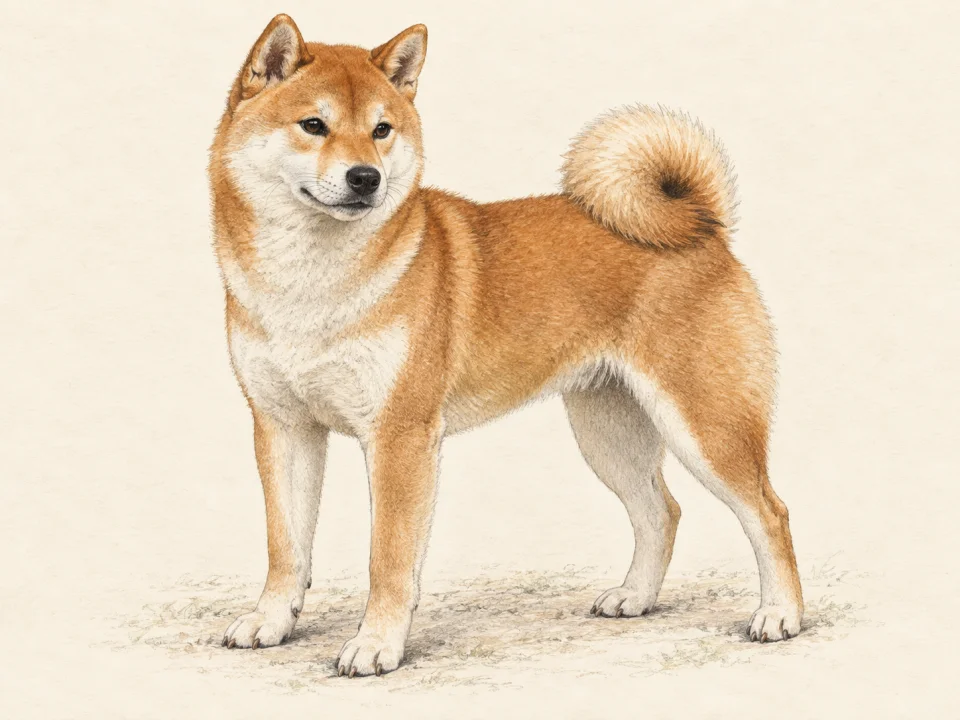
Understand the independent character
Shibas are alert, energetic dogs with a hunting background. They can bond closely while remaining reserved with unfamiliar people. Independence is a reason to plan patient teaching, not to assume a dog is deliberately being difficult.[1]
Training and secure walks
Use rewards and consistent expectations. AKC advises keeping Shibas on lead outside enclosed areas, even after training. Check gates before a visit and agree who will manage the door when deliveries arrive.[1]
Family fit comes before appearance
AKC considers experienced households a better fit, especially with older children. Ask how the individual responds to handling, visitors and other animals. A breed label cannot promise comfortable interactions in your particular home.[1]
Prepare for coat care
A short coat does not mean little shedding. Shibas have a double coat and lose substantial hair. Regular brushing helps; discuss nail handling with a professional if it is difficult.[1]
Ask for records before committing
The national club encourages questions about breeding-dog health checks, temperament and support. Ask to see identifiable records and discuss them with your veterinarian. Keep copies of the agreement and clarify who you can contact after taking the dog home.[2]
Build a first-week handover
Before arrival, ask the current carer to write down familiar food, toilet arrangements, sleeping space and words the dog knows. Choose a quiet place for the dog’s belongings. Decide which adult will coordinate questions so advice from several people does not turn into conflicting routines.
Make the household plan specific
Write down who handles morning walks, midday care and evening time. Include days when work runs late. If you will use a sitter, discuss doors, fencing and lead arrangements together. Meet the person before you need an urgent booking; a directory listing alone cannot tell you whether the arrangement fits.
Learn from owners without copying every routine
Ask another Shiba owner what surprised them, what their dog enjoys and what changed as the dog matured. Treat their experience as one example. Keep your own notes on situations you want help with and bring specific questions to your trainer or veterinarian.
Frequently asked questions
Is a Shiba Inu difficult to train?
Independence can make training demanding. Patient reward-based practice and experienced support are useful.
Source [1]Do Shiba Inus shed?
Yes. Their double coat sheds substantially despite its short appearance.
Source [1]What should I ask a Shiba breeder?
Ask about parental health checks, temperament, the agreement and ongoing support. Request the underlying records.
Source [2]Can a Shiba Inu walk off lead?
AKC advises against off-lead access outside a securely enclosed area, even for trained Shibas.
Source [1]FAQ sources
- American Kennel Club — Shiba Inu lifestyle ↗FAQ reference 1
- National Shiba Club of America — choosing a breeder ↗FAQ reference 2
Sources & methodology
Breed-level measurements and comparison scores provide context. They do not predict an individual dog's health, behaviour or suitability. Open the original publisher pages below to verify the facts and compare any later updates.
- American Kennel Club — Shiba Inu lifestyle ↗Reference 1 · reviewed 2026-09-09
- National Shiba Club of America — choosing a breeder ↗Reference 2 · reviewed 2026-09-09
Make it about your dog
Build a profile around your dog's age, experiences and everyday needs.
Meet your dog →Explore local care