
MINNEAPOLIS · THE CITY FIELD GUIDE
A Minneapolis day.
The right permission.
A working backup.
Check Minneapolis off-leash permits and Gateway access, compare individual boarding and training terms, and prepare a winter handover with two metro emergency contacts.
Replace outdated riverfront plans, choose care by your dog’s actual needs, and confirm who can receive them overnight.
PupNudge editorial · Published · Sources checked
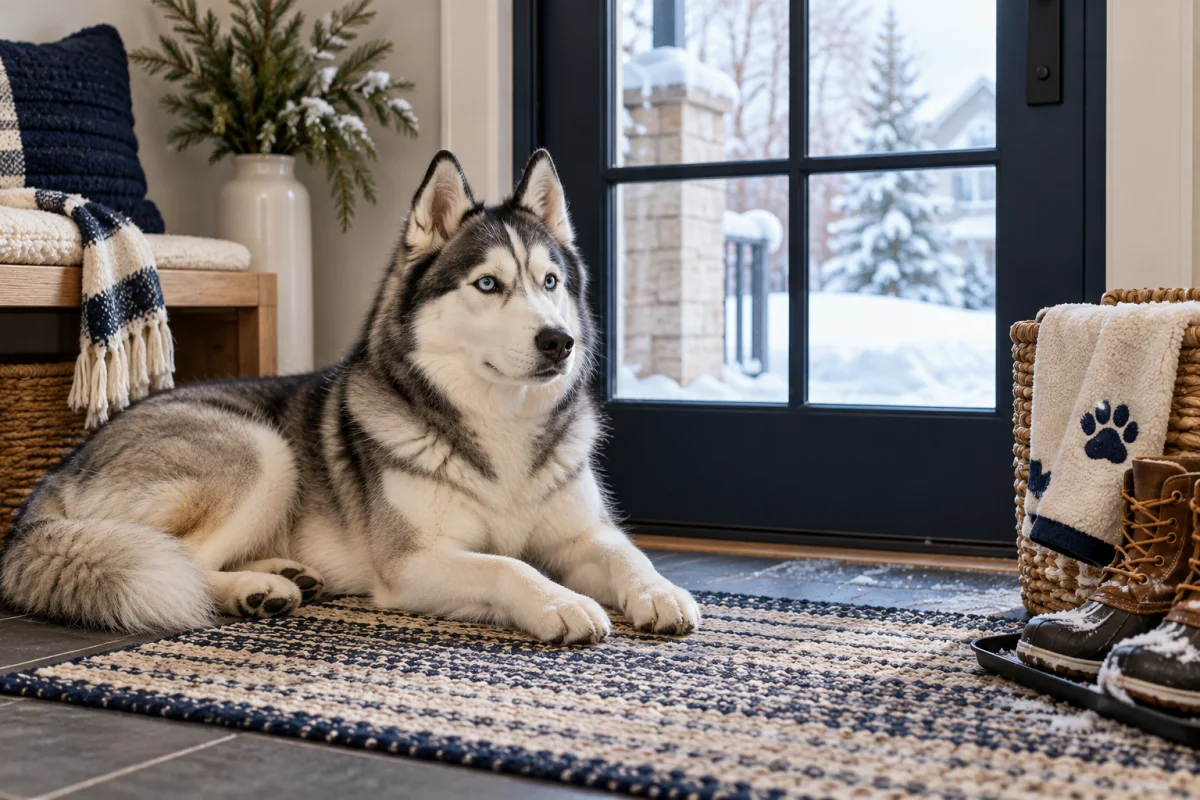
Keep the permit and the receiving plan separate
Make a Minneapolis routine that survives a change of destination.
An old riverfront dog-park recommendation and an emergency hospital's “24 hours” headline can both hide an important change. For Minneapolis owners, the useful task is to identify what is allowed now and who can actually receive the dog. A saved pin is a destination to check, not a permanent permission.
This guide connects off-leash paperwork, a downtown park map, two named care providers and two metro emergency contacts. It also includes a door-to-door winter handover and a way to compare the complete service cost. It is not a complete Twin Cities directory, a facility inspection or a live receiving-capacity report.
| Your task | Resolve first | Save for the caregiver |
|---|---|---|
| An off-leash visit | The city's license and the park permit are different records. | The correct dog's current documents. |
| A downtown outing | The designated dog-area boundary. | The official map and an easy return route. |
| Boarding | Free play, individual care or a mixed arrangement? | Accepted routine and collection window. |
| Urgent advice overnight | Can that hospital receive a new patient? | Direct numbers and a second destination. |
Do not select group boarding simply because the dog is active or a breed profile suggests exercise. Explain their actual response to unfamiliar dogs and people. Ask the business how it will provide rest and suitable handling. Permission to visit a public enclosure is not evidence that group daycare will suit the same dog.
A downtown boundary you can check
Use Gateway's dog-area map.
The Park Board's Gateway map identifies the off-leash recreation area at 1099 4th Avenue South. It marks the dog boundary separately from the walking path and other facilities, requires an off-leash permit and asks owners to keep dogs under watch and control. The map discourages children and toys because of safety concerns.
Gateway off-leash area
Open this destination in Google Maps ↗
On a first visit, look at the entrance, footing and dogs already inside before opening the gate. Leave room for another visitor to exit. If the dog cannot settle near the group, use a permitted leashed route instead; do not make the enclosed area a test you feel obliged to finish.
Retire an outdated Minnehaha outing plan
The Park Board directory says Minnehaha's off-leash area is being decommissioned. Read its linked project update and current signs before choosing a route. This guide does not infer that every Minnehaha park facility is closed or invent a final closure date.
Tell a walker which current destination is authorized and which old pin to avoid. A photograph of dogs beside the river does not establish today's access. If the official page cannot be reached, contact the operator rather than treating missing information as confirmation.
City license plus park permission
Have the right record for each dog.
The Park Board requires an off-leash permit before a visit. Minneapolis residents must first obtain the city pet license, and rabies vaccination is required for the park permit. The published dog-area rules keep dogs individually leashed outside designated areas, limit handlers to three dogs and require control and supervision. Dogs in heat and dogs declared dangerous or potentially dangerous under the stated rules cannot use the enclosures. The usual listed park hours are 6 a.m.–10 p.m.
Use the city licensing service for the residence and the Park Board for off-leash access. Confirm the current purchase term and price rather than relying on an older PDF or another city's license. Bring a record the caregiver can actually produce during the outing.
For multiple dogs, check that each record matches the right animal. Keep identification and owner contact details current. If a walker proposes transporting more dogs than the published handler limit, agree to a different arrangement before the visit. A professional job title does not remove the park rules.
Define the caregiver's permission
Write down whether the plan is a neighborhood toilet break, a quiet leashed walk or an approved dog-area visit. Include the actual return point and what to do if access changes. “Use your judgment” can accompany a clear plan, but it should not be the only instruction when the dog has a handling limit.
Keep apartment-entry instructions separate from public information. Give a backup contact access through an agreed process rather than sharing a password in an unsecured note. Ask for a report of arrival, route, toilet breaks and anything unusual; observation is more useful than an unsupported diagnosis.
Two services for different tasks
Choose the care mode before comparing money.
Published terms checked October 6, 2026. These businesses provide different services. Their menus are reference points, not inspections, personal endorsements or an average price for Minneapolis.
2nd Avenue North · individual care is available
Downtown Dogs
821 2nd Avenue North, Minneapolis · 612-374-3647
The boarding page lists free-play boarding at $64 nightly, individual boarding at $55, and Indy+ at $60. A four-hour evaluation is required before boarding. Free play requires spay/neuter after seven months; intact dogs can use individual options. Required vaccine documentation must be accepted first.
Checkout is 10 a.m.; later collection adds daycare. Doors lock at 8 p.m. weekdays and 6 p.m. weekends, and a dog left after closing is charged for boarding. The page labels its rates effective May 15, 2025, so reconfirm the current menu.
The daycare menu lists a $39 full day or $6.50 hourly. Ask which daycare charge applies to your actual boarding checkout, rather than assuming a short overage is a full day.
Ask staff to describe the individual or mixed routine your dog will receive. If they need breaks away from groups, put that requirement on the accepted booking instead of relying on the room category name.
In-home help · travel radius affects the quote
The Canine Coach
Scheduling: 612-202-4732 · confirm the service location directly
The current in-home page lists an initial session at $185 and follow-up at $145. Between 15 and 20 miles from the nearest location, the stated $11 travel supplement makes them $196 and $156. Beyond that range, ask about a facility or virtual appointment.
A paragraph promises a full refund at least 48 hours ahead, while the detailed policy deducts a 2% processing fee; late cancellation retains $50. Obtain the applicable written terms before prepayment. The scheduling notice estimates three to six weeks, depending on the booking.
Describe the actual household task and ask about suitability and interim management. A paid session is not a guarantee of a behavioral result, and a future training appointment is not an emergency-care route.
For grooming, send the requested coat and handling information and ask for a complete estimate, including what requires extra permission. Do not infer a grooming price from a daycare menu. If transport is included in any service, confirm the receiving location, handover process and who accompanies the dog.
Compare like with like
Budget for the service and the last day.
Two nights of Downtown Dogs' listed free-play boarding start at $128, versus $110 for individual boarding. These are different routines, not a quality ranking. Ask which mode fits the dog and what the final collection time adds. Separately, one Canine Coach initial session plus one listed follow-up totals $330 before an applicable travel supplement. Do not compare a training appointment with an overnight reservation.
Use the calculator for two confirmed quotes covering the same task. The inputs below are yours; published menu examples are not automatically a reservation total. Add mandatory evaluations, actual checkout charges and transport where applicable. Keep an unresolved charge as a question rather than treating it as zero.
| Before paying | Question that resolves the gap |
|---|---|
| Boarding category | “What will my dog do during the day, and how is rest provided?” |
| Final pickup | “At our stated collection time, is daycare hourly, full-day or included?” |
| Training travel | “Which location is used for the distance calculation?” |
| Cancellation | “What amount would be refunded on this date, including fees?” |
Save the response with the booking. A backup collector needs the approved collection window and direct contact, not every part of the payment account. If the answer changes, update the handover before the stay rather than relying on a remembered phone conversation.
From the apartment door to the return home
Give a winter caregiver a shorter route they may use.
Read the NWS Twin Cities forecast and warnings before leaving. This article is not a live pavement or weather report. Your dog's veterinary needs and the conditions along the actual route matter more than a promise to complete a fixed walk length.
Prepare the exit area: the correct leash and familiar equipment, towels, a reachable contact and a clear return point. Tell the caregiver how the dog normally responds to equipment and what to do if the walk becomes impractical. If you are unsure about safe exposure for that dog, obtain guidance from the treating veterinarian before arranging care.
Use a door-to-door handover, not a winter slogan
- Identify the shortest permitted toilet route and an alternative entrance if the usual approach is blocked.
- Give permission to return early instead of finishing a purchased duration.
- Explain the normal indoor rest routine and where supplies are kept.
- Ask for the time, location and observed change if the dog behaves differently.
- Specify the veterinary contact and who can authorize professional care.
Keep the return report factual: route used, whether the dog toileted, and any change from the normal routine. The caregiver should not improvise a diagnosis or medication from a general internet article. An urgent concern needs a professional call; it is not a reason to take the dog out again to test the problem.
For boarding, ask how transport disruptions affect collection and extensions. A warm room photograph does not answer overnight staffing, rest or medication capability. Confirm the essential service in writing and select another arrangement if it cannot be provided.
Staffed overnight does not always mean receiving new patients
Keep two metro contacts and call the receiver.
VEG Maple Grove lists 24/7 emergency care at 7855 Elm Creek Boulevard North, Maple Grove, MN 55369, telephone 763-575-7171. Access is from Elm Creek Boulevard between Vinewood Lane and 80th Avenue North. The hospital describes a large parking lot and offers help bringing a pet inside if you call.
Maple Grove is outside Minneapolis and is not necessarily the closest receiving hospital from every neighborhood. Save a second option with your regular vet before an emergency. Call for advice based on where the dog actually is, and ask about arrival and safe transport.
Confirm the university hospital's current receiving window
The Lewis Small Animal Hospital page lists 1365 Gortner Avenue, St. Paul, MN 55108, telephone 612-626-8387. It reports temporary midnight–8 a.m. receiving closures. Its top notice includes Wednesday through Saturday, while the detailed explanation lists Thursday through Saturday and the hours table differs again. Call to resolve the exact day; do not infer availability from the broader 24-hour headline.
The page distinguishes continuing ICU care from receiving a new emergency patient. Keep that distinction in the caregiver's note. If a hospital cannot receive the dog, ask for an appropriate open destination rather than traveling there simply because someone is working inside.
Permissions and schedules that are easy to confuse
Minneapolis questions, answered.
Does the city pet license replace the off-leash permit?
No. Residents need the city license before applying for the separate Park Board permission. Keep the correct records for each dog.
Is the Minnehaha river outing in an older guide still reliable?
The current directory reports decommissioning of the off-leash area. Check operator updates and signs; do not use an old photograph as permission.
Should every dog use free-play boarding?
No. Ask about the dog's actual handling and rest needs. Compare the accepted routine, not a breed label or a busy playroom photograph.
Why do I need a refund amount in writing?
One provider's summary and detailed terms differ. Request the amount and applicable deadline for your own booking before paying.
Can I assume the university ER receives pets all night?
No. It publishes temporary restrictions with inconsistent day descriptions. Call the receiving team and keep a practical alternative.
Does a shorter winter outing waste the booking?
The useful outcome is appropriate care. Agree on a safe alternative and early-return permission beforehand, so a caregiver can adjust the route without guessing.
First-party references and confirmed limitations
Keep the current rule beside your plan.
Checked October 6, 2026. Menus and receiving arrangements may change; confirm directly. This is planning information, not medical advice or acceptance of a booking.
- Park Board permits, rules and Minnehaha notice
- Gateway boundary map
- City pet-license service
- Downtown Dogs boarding modes
- Downtown Dogs daycare charges
- Canine Coach pricing and refund terms
- NWS Twin Cities weather
- University emergency receiving notices
- VEG Maple Grove contact and access
Explore PupNudge breed profiles, use the journal for everyday routines, or browse the separate care finder. Confirm the provider's actual service before booking.
YOUR OWN STARTING PLAN
Your Minneapolis door-to-door plan
Selections stay on this page, are not uploaded and are not saved after a reload. Print for a copy. Your quote inputs are printed with the guide if entered.